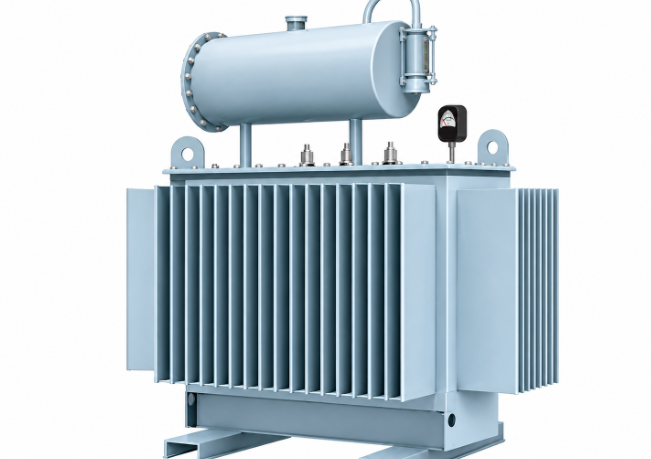
Choosing the right transformer is essential for maintaining a safe, efficient, and dependable electrical system. Whether powering commercial equipment, agricultural operations, workshops, or residential applications, selecting a transformer with the correct capacity helps ensure stable voltage and long-term performance. A 15 kva single phase transformer offers an ideal balance of power, efficiency, and versatility for many low-to-medium load applications.
Understanding transformer capabilities, installation considerations, and maintenance practices allows businesses and property owners to maximize equipment life while reducing downtime. This guide explains why this transformer size remains one of the most practical solutions for reliable power distribution.
Understanding Single Phase Transformers
Single phase transformers are electrical devices designed to transfer electrical energy between circuits using electromagnetic induction. They are commonly used where electrical demand is moderate and three-phase systems are unnecessary.
These transformers adjust voltage levels to match equipment requirements while providing electrical isolation and improved safety. Their compact design and straightforward installation make them suitable for numerous commercial and industrial environments.
Unlike larger three-phase transformers, single phase units require less installation space and lower maintenance while still delivering dependable electrical performance.
See also: Industrial Rotor Performance: Best Practices for Reliable Rotating Equipment
Why Choose a 15 kva single phase transformer
A properly selected 15 kva single phase transformer provides sufficient capacity for various electrical systems without excessive energy waste. It delivers consistent voltage regulation that protects connected equipment from fluctuations that may affect productivity.
This transformer size is frequently selected because it offers:
Reliable Voltage Regulation
Stable voltage improves equipment performance and reduces stress on electrical components. Consistent output helps prevent unnecessary wear on motors, lighting systems, and sensitive electronics.
Energy Efficiency
Modern transformer designs reduce core losses and improve operational efficiency. Lower energy losses contribute to reduced operating costs over time.
Compact Installation
Many facilities have limited installation space. This transformer size offers excellent power capacity while maintaining a relatively compact footprint.
Long Service Life
Quality manufacturing materials, proper cooling, and regular maintenance allow transformers to operate efficiently for many years under normal working conditions.
Common Applications
A transformer of this capacity serves numerous industries because of its flexibility.
Commercial Buildings
Retail stores, offices, restaurants, and small commercial facilities often rely on transformers to provide stable voltage for lighting, HVAC systems, and electrical equipment.
Manufacturing Workshops
Small production facilities frequently require dependable voltage conversion for machinery, tools, testing equipment, and automation systems.
Agricultural Operations
Farms use transformers to operate irrigation systems, pumps, storage facilities, and processing equipment where reliable electrical supply is essential.
Residential Developments
Some residential properties use transformers for specialized electrical systems, workshops, detached buildings, or backup power integration.
Key Features to Consider
Before selecting a transformer, understanding important design characteristics helps ensure long-term reliability.
Voltage Rating
Input and output voltage ratings should match the electrical system requirements. Incorrect voltage selection may reduce efficiency or damage connected equipment.
Insulation Quality
High-quality insulation protects transformer windings from electrical breakdown while improving operational safety and extending service life.
Cooling Method
Most transformers rely on natural air cooling or oil-filled cooling systems depending on installation requirements and operating conditions.
Proper cooling prevents overheating and maintains consistent performance during continuous operation.
Construction Quality
Durable cores, precision windings, corrosion-resistant enclosures, and quality electrical connections contribute to dependable long-term performance.
Installation Best Practices
Correct installation significantly influences transformer performance and lifespan.
Select the Right Location
Install the transformer in a clean, dry, and well-ventilated area. Adequate airflow prevents excessive heat buildup during operation.
Ensure Proper Grounding
Correct grounding protects both equipment and personnel from electrical faults while supporting safe system operation.
Verify Load Requirements
The connected electrical load should remain within the transformer’s rated capacity. Continuous overloading may shorten equipment life.
Allow Maintenance Access
Sufficient clearance around the transformer allows technicians to perform inspections, cleaning, and servicing efficiently.
Maintenance Tips for Long-Term Performance
Routine maintenance helps prevent unexpected failures and extends transformer lifespan.
Perform Visual Inspections
Regularly inspect the enclosure for signs of corrosion, loose connections, or physical damage.
Monitor Operating Temperature
Unusual temperature increases may indicate excessive loading, ventilation problems, or internal faults requiring attention.
Clean External Components
Dust and debris reduce cooling efficiency. Keeping ventilation openings clean helps maintain proper operating temperatures.
Inspect Electrical Connections
Loose terminals may generate heat and reduce efficiency. Periodic tightening ensures reliable electrical performance.
Schedule Professional Testing
Electrical testing can identify insulation deterioration, winding issues, or performance changes before major failures occur.
Comparing Transformer Sizes
Electrical projects often require evaluating different transformer capacities before making a selection.
A 15kva transformer generally provides greater flexibility than smaller units while avoiding the additional cost and space requirements associated with significantly larger equipment.
Choosing the correct capacity depends on current electrical demand while allowing room for moderate future expansion.
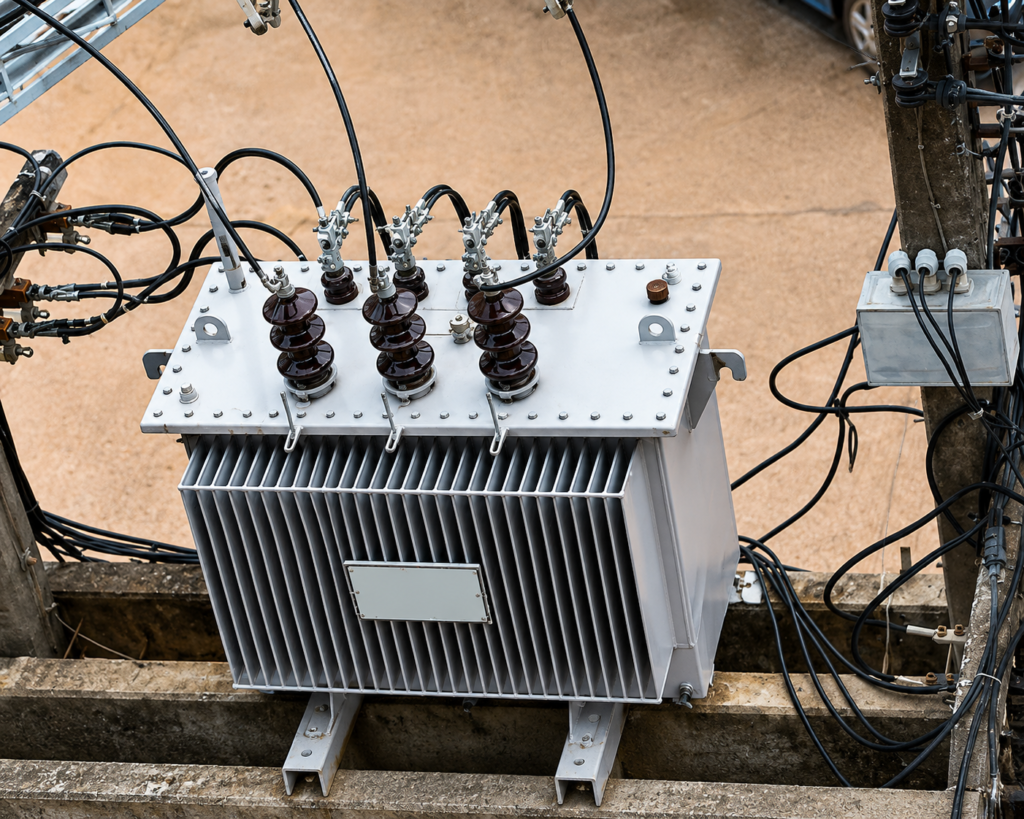
Factors Affecting Transformer Performance
Several environmental and operational conditions influence overall transformer efficiency.
Ambient Temperature
High surrounding temperatures reduce cooling efficiency and may affect transformer lifespan if ventilation is inadequate.
Load Characteristics
Balanced loading improves efficiency and minimizes unnecessary heating.
Power Quality
Stable incoming voltage contributes to smoother transformer operation and protects downstream equipment.
Environmental Conditions
Indoor installations generally experience less exposure to moisture, dust, and contaminants compared with outdoor environments.
Selecting a Reliable Manufacturer
The quality of the transformer manufacturer directly affects long-term performance.
When evaluating suppliers, consider:
- Manufacturing standards
- Material quality
- Engineering expertise
- Product testing procedures
- Technical support
- Warranty coverage
- Availability of replacement parts
A reputable supplier provides documentation, technical guidance, and consistent product quality for various applications.
Future Expansion Considerations
Electrical systems often grow over time. Planning for future capacity helps reduce replacement costs later.
A 15 kva transformer may accommodate moderate increases in electrical demand while maintaining efficient operation when properly sized during the initial design stage.
Consulting qualified electrical professionals ensures accurate load calculations and proper transformer selection.
Understanding Single Phase Configurations
Different electrical systems require different transformer configurations depending on voltage requirements and equipment compatibility.
A 15kva transformer 1 phase is commonly used where three-phase distribution is unnecessary but dependable voltage conversion remains essential. These configurations provide efficient performance for a wide range of commercial and industrial applications while simplifying installation and maintenance.
Conclusion
Selecting the appropriate transformer is an important investment in the reliability, efficiency, and safety of any electrical system. A 15 kva single phase transformer offers dependable voltage regulation, energy efficiency, compact installation, and long service life, making it an excellent solution for commercial buildings, workshops, agricultural operations, and many other applications.
By choosing quality equipment, following proper installation practices, and performing regular maintenance, organizations can maximize transformer performance while minimizing unexpected downtime and maintenance costs for years to come.