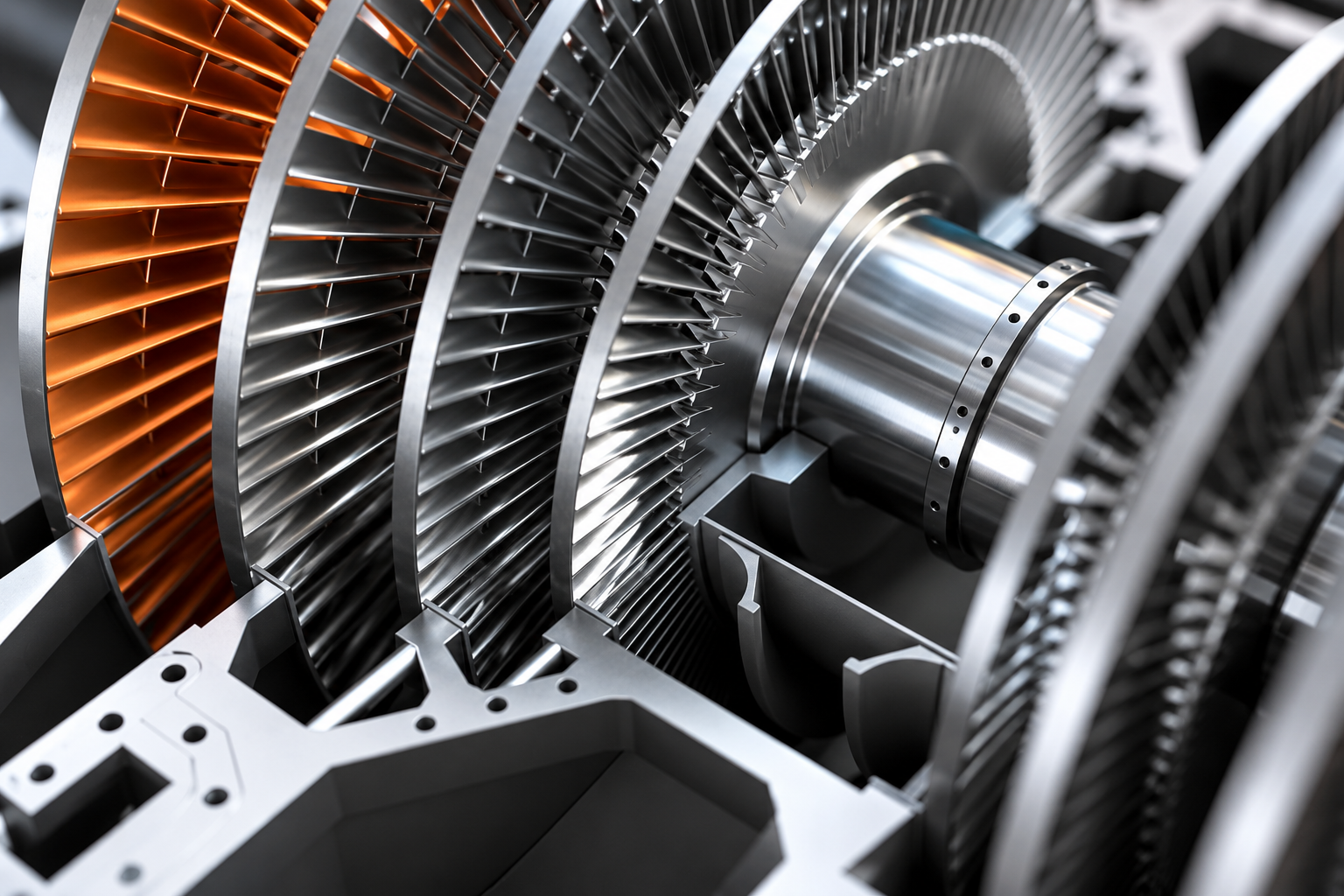
An industrial rotor is one of the most critical components in turbines, compressors, generators, pumps, and other heavy industrial equipment. It transfers energy through rotational motion, making it essential for efficient and reliable operations. Because rotors operate under high speeds, heavy loads, and extreme temperatures, they require regular inspection and maintenance to prevent unexpected failures. A well-maintained rotor improves equipment performance, minimizes downtime, and extends the lifespan of valuable machinery. This guide explains the importance of rotor maintenance, common causes of damage, inspection methods, and practical maintenance strategies for long-term reliability.
What Is an Industrial Rotor?
An industrial rotor is the rotating part of mechanical equipment that converts or transfers energy. It is commonly found in industries such as power generation, manufacturing, oil and gas, mining, chemical processing, and water treatment. Depending on the application, rotors may vary in size and design, but they all perform the same essential function of delivering rotational power.
Rotors are manufactured using high-strength materials capable of withstanding significant mechanical stress. Since they rotate continuously during operation, even minor defects can affect the entire machine, making routine maintenance essential.
See also: Skylights for Flat Roofs: Bright Ideas That Make Every Space Feel Bigger
Why Rotor Maintenance Is Important
Industrial machinery depends on precise rotor performance to operate safely and efficiently. A damaged or worn rotor can increase vibration, reduce energy efficiency, create excessive heat, and eventually cause equipment failure.
Regular maintenance provides several advantages:
- Reduces unexpected downtime
- Extends equipment lifespan
- Improves operational efficiency
- Lowers long-term maintenance costs
- Enhances workplace safety
- Supports consistent production quality
Preventive maintenance allows technicians to identify developing issues before they become expensive repairs.
Common Causes of Rotor Damage
Rotors are exposed to demanding operating conditions every day. Several factors contribute to gradual deterioration.
Mechanical Wear
Continuous operation causes friction between moving components. Over time, this results in surface wear that affects rotor balance and efficiency.
Thermal Stress
Frequent heating and cooling cycles create expansion and contraction within the metal. These temperature changes may eventually lead to fatigue or cracking.
Corrosion
Exposure to moisture, chemicals, and harsh industrial environments gradually weakens metal surfaces, reducing structural integrity.
Rotor Imbalance
Even a slight imbalance creates vibration that places additional stress on bearings, shafts, and supporting components.
Foreign Object Damage
Small particles entering rotating equipment can produce dents, scratches, or deformation that affect performance.
Warning Signs of Rotor Problems
Early detection is one of the most effective ways to avoid costly failures. Maintenance personnel should monitor equipment for common warning signs such as:
- Increased vibration
- Unusual operating noise
- Rising bearing temperatures
- Reduced machine efficiency
- Oil contamination
- Visible surface wear
- Unexpected shutdowns
- Power loss
Addressing these issues promptly helps prevent larger mechanical failures.
Inspection Methods Used for Rotors
Modern maintenance programs rely on several non-destructive testing methods that evaluate equipment without causing damage.
Visual Inspection
Visual examination remains the first step in any maintenance program. Inspectors look for corrosion, cracks, discoloration, loose components, and wear patterns. Although simple, visual inspections often reveal obvious problems that require additional testing.
Ultrasonic Testing
Ultrasonic inspection uses sound waves to detect internal defects that cannot be seen from the surface. This method identifies cracks, voids, and material inconsistencies before they become major failures.
Magnetic Particle Inspection
Magnetic particle testing is commonly used on ferromagnetic materials to locate surface and near-surface cracks. It is particularly valuable during scheduled maintenance shutdowns.
Eddy Current Inspection
Many maintenance professionals search for eddy current testing near me when they require rapid, accurate inspection of conductive materials. Eddy current technology detects surface cracks, corrosion, and other discontinuities without dismantling equipment, making it an efficient solution for rotating machinery.
Material Verification During Maintenance
Material verification is essential whenever components are repaired or replaced. Using a positive material identification test ensures replacement parts match original engineering specifications.
Verifying alloy composition helps prevent installation of incorrect materials that may fail under high temperatures or heavy mechanical loads. This process improves reliability while maintaining compliance with engineering requirements.
Understanding Material Hardness
The hardness of different materials plays a significant role in rotor performance. Hardness determines how well a material resists wear, deformation, and impact during continuous operation.
Engineers evaluate hardness when selecting materials because the correct balance of hardness and toughness contributes to longer service life, improved durability, and better resistance to fatigue. Choosing materials with appropriate hardness helps reduce maintenance frequency and operating costs.
Positive Metal Identification
Maintenance teams also perform positive metal identification to confirm the chemical composition of existing components. Portable analyzers provide quick and accurate alloy verification directly at the job site.
Positive metal identification supports:
- Accurate repairs
- Quality assurance
- Material traceability
- Compliance with engineering specifications
- Safe equipment operation
This process reduces the risk of costly mistakes during maintenance activities.
Rotor Balancing for Better Performance
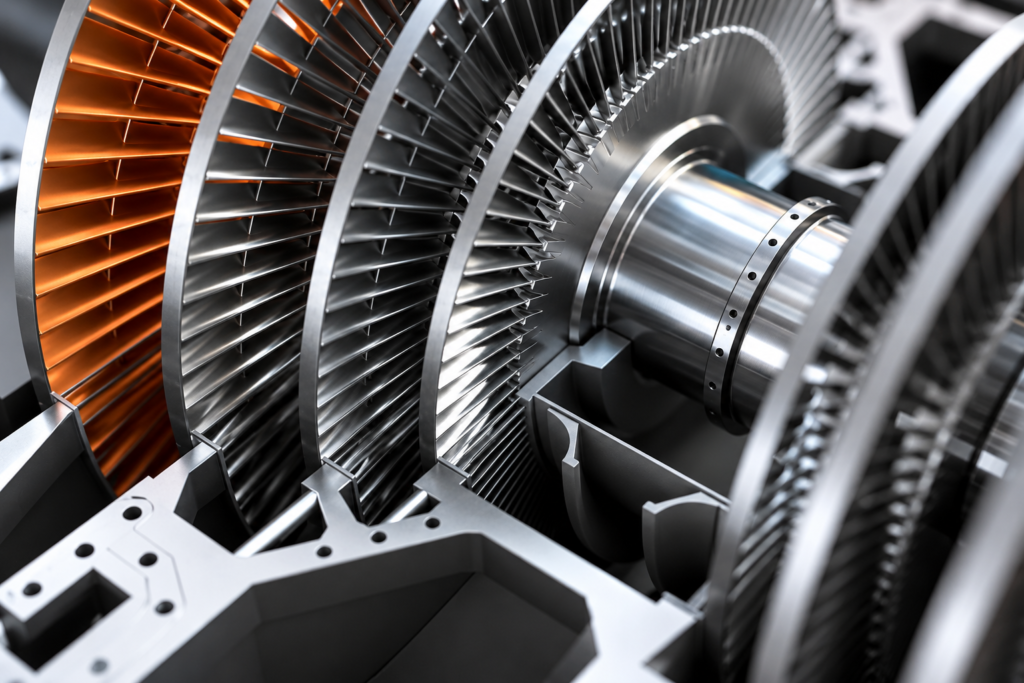
Rotor balancing is one of the most effective maintenance procedures for rotating equipment. Even a small imbalance creates vibration that accelerates wear throughout the machine.
Proper balancing offers several benefits:
- Reduced vibration
- Longer bearing life
- Lower energy consumption
- Improved equipment efficiency
- Reduced maintenance expenses
- Greater operational reliability
Balancing should be performed after repairs, component replacement, or whenever abnormal vibration levels are detected.
Preventive Maintenance Best Practices
A successful preventive maintenance program combines routine inspections with condition monitoring.
Effective maintenance practices include:
- Scheduling regular inspections
- Monitoring vibration levels
- Performing alignment checks
- Maintaining proper lubrication
- Monitoring operating temperatures
- Cleaning components regularly
- Recording maintenance history
- Replacing worn parts before failure
These practices help facilities maximize equipment availability while reducing emergency repairs.
Benefits of Non-Destructive Testing
Non-destructive testing has become an essential part of industrial maintenance because it allows technicians to evaluate equipment without damaging valuable components.
Key benefits include:
- Early defect detection
- Reduced downtime
- Improved maintenance planning
- Lower repair costs
- Increased equipment reliability
- Enhanced workplace safety
- Longer equipment lifespan
Routine testing provides valuable information that supports informed maintenance decisions.
Repair or Replace?
Inspection results help maintenance managers determine whether repair or replacement is the best option.
Repair is generally appropriate when damage is limited and structural integrity remains intact. Replacement may be necessary when extensive cracking, severe corrosion, or advanced fatigue compromises safe operation.
Making informed decisions based on inspection data helps optimize maintenance budgets while maintaining equipment reliability.
Selecting Professional Inspection Services
Working with experienced inspection specialists improves maintenance quality and equipment performance. Qualified professionals use advanced testing equipment and established inspection procedures to identify developing problems accurately.
When selecting an inspection provider, look for:
- Certified technicians
- Experience with rotating equipment
- Modern testing technology
- Detailed inspection reports
- Strong industry knowledge
- Commitment to quality standards
Professional inspections help facilities improve maintenance planning and reduce unexpected equipment failures.
Supporting Long-Term Rotor Reliability
Maintaining rotating equipment requires more than occasional repairs. Regular inspections, condition monitoring, material verification, and proper balancing all contribute to reliable performance. Some maintenance teams also search for fix rotors near me when planning repairs for worn or damaged rotor components. Combining quality repair services with preventive maintenance helps restore equipment efficiency while extending operational life.
Conclusion
Reliable rotating equipment depends on proactive maintenance and accurate inspection. An industrial rotor experiences continuous mechanical stress, making routine monitoring essential for preventing failures and maximizing performance. By using advanced inspection methods, verifying materials, maintaining proper balance, and following preventive maintenance practices, industries can improve equipment reliability, reduce downtime, and extend the service life of critical machinery. A structured maintenance program not only protects valuable assets but also supports safe, efficient, and productive industrial operations.