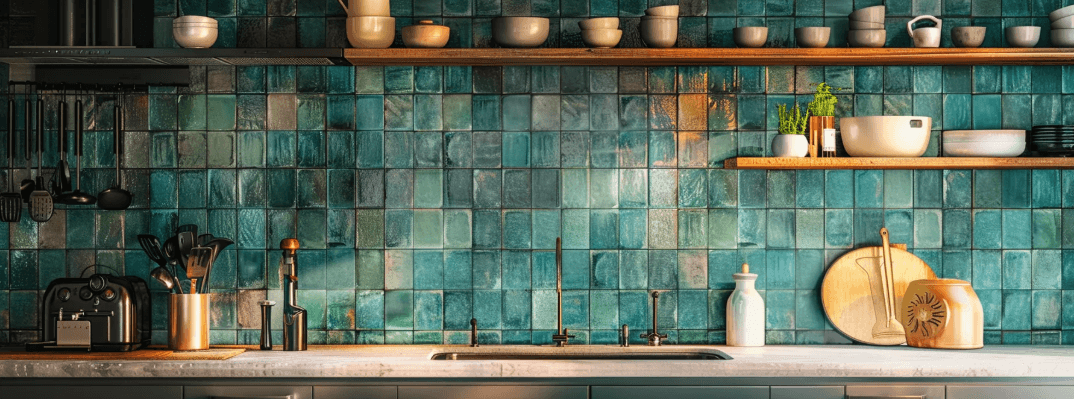
Every kitchen renovation brings with it a plethora of design decisions that can set the tone for the entire home. Two popular choices for kitchen walls are Vertical Zellige Tile and Traditional Subway Tile, each offering its own unique appeal and set of benefits. This article will delve into the aesthetic and practical differences between these two tile styles, helping you decide which option best complements your kitchen’s color palette and overall design intent. Whether you’re aiming for a modern, sophisticated look or a classic, timeless ambiance, understanding the nuances of each can guide your space planning decisions.
Vertical Zellige Tile: A Unique Aesthetic Choice
Vertical Zellige Tile is a standout option that brings a distinctive touch to any kitchen. These tiles are known for their handcrafted appeal, making them an excellent choice for those looking to create a focal point within their kitchen design. The uneven surfaces and vibrant, varied hues of Zellige tiles contribute to a dynamic and textured look, ensuring that no two installations are ever the same.
Adding Vertical Zellige Tile to your kitchen can enhance its architectural millwork. This tile style is particularly effective in kitchens where Vertical Zellige Tile can complement the cabinetry or open shelving, creating an integrated design that catches the eye. The artisanal quality of Zellige tiles aligns perfectly with a kitchen that prioritizes sustainable materials, adding to the environmental responsibility of your design.
Moreover, when planning your kitchen’s finish schedule, incorporating Vertical Zellige Tile can provide a striking contrast against more subdued elements. This type of tile works well in kitchens aiming for a bold, eclectic style, where each element of the design contributes to a cohesive yet diverse mood board.
Traditional Subway Tile: Timeless Appeal in Design
Traditional Subway Tile remains a popular choice for kitchen renovations due to its timeless appeal and versatility. Known for their smooth, uniform appearance, subway tiles offer a classic, clean look that can easily blend with various design styles. This makes them an ideal choice for homeowners seeking a neutral backdrop that allows other elements like lighting layering and appliances to stand out.
The simplicity of subway tiles makes them a reliable choice for kitchens where the design intent is to maintain a timeless aesthetic. These tiles can be paired effortlessly with a wide array of materials and finishes, ensuring they remain relevant even as trends evolve. When incorporated into the kitchen’s specification document, subway tiles can provide a consistent base for more adventurous design elements elsewhere in the space.
Furthermore, subway tiles are often chosen for their practicality. They are easy to clean and maintain, making them especially suitable for high-traffic areas. This durability is a key consideration during space planning for functional kitchen environments.
Comparing Durability and Maintenance of Zellige and Subway Tiles
When selecting tiles for your kitchen, considering durability and maintenance is crucial. Vertical Zellige Tile, while stunning, requires a bit more care due to its unique, porous surface. Sealing these tiles is essential to protect them from moisture and stains, especially in culinary environments prone to splashes and spills.
On the other hand, Traditional Subway Tile is renowned for its resilience. Made from glazed ceramic, these tiles are resistant to water and easy to maintain with regular cleaning. This characteristic makes them a practical choice for busy households where ease of upkeep is a priority.
While both tile options offer distinct aesthetic benefits, understanding their maintenance requirements can greatly influence your decision. Incorporating these considerations into your kitchen’s design intent and finish schedule will ensure a functional and enduring design.
Choosing the Right Tile Style for Your Kitchen Makeover
Deciding between Vertical Zellige Tile and Traditional Subway Tile depends largely on your kitchen’s overall design goals and practical needs. If your aim is to create a vibrant, artistic kitchen that serves as a centerpiece, the textured, handcrafted appeal of Zellige tiles may be the perfect fit. Conversely, if you prefer a classic, understated kitchen design that emphasizes practicality and cleanliness, subway tiles might be more appropriate.
Consider using a mood board to visualize how each tile type will interact with other elements such as cabinetry, countertops, and lighting. This tool can help you evaluate how each style aligns with your kitchen’s existing architectural elements and scale model, aiding in a more informed decision-making process.
Ultimately, the choice between Zellige and subway tiles should reflect your personal style and the functional demands of your kitchen space. Both options offer unique benefits that can elevate your kitchen’s aesthetic and enhance its usability.
Conclusion

Choosing between Vertical Zellige Tile and Traditional Subway Tile involves considering both aesthetic preferences and functional needs. Each style offers unique benefits that can significantly enhance the look and feel of your kitchen. By aligning your choice with your design intent and practical considerations, you can create a kitchen space that is both beautiful and functional, perfectly tailored to your lifestyle.