A home plumbing system channels clean water from supply sources to fixtures and returns wastewater through a dedicated drainage network. Water pressure, valves, and regulators ensure stable delivery, while piping layout supports reliable access and code compliance. Drainage, vents, and traps prevent sewer gases and carry waste away. Fixtures, shutoffs, and fittings require periodic inspection to avoid leaks. The design and maintenance choices determine odor control, safety, and efficiency, leaving questions that compel further examination of each subsystem.
How a Home Plumbing System Is Designed
A home plumbing system is designed to safely deliver clean water and remove wastewater while maintaining pressure, flow, and sanitary separation throughout the building.
The design prioritizes water distribution efficiency, selecting pipe materials with durability, corrosion resistance, and code compliance.
Proper water pressure control, flow balancing, and energy efficiency measures ensure reliable service, minimal waste, and freedom through predictable, measurable performance.
Water Supply and Pressure: Getting Water to Your Faucets
Water supply systems deliver potable water from the municipal main or a private source to the building’s fixtures through a network of pipes, valves, and pressure-regulating devices.
The system maintains constant pressure by balancing supply and demand; blockages or undersized mains cause pressure loss.
Air leaks and improper fittings degrade flow, trigger noisy operation, and complicate code-compliant maintenance.
Drainage, Venting, and Traps: Removing Waste Safely
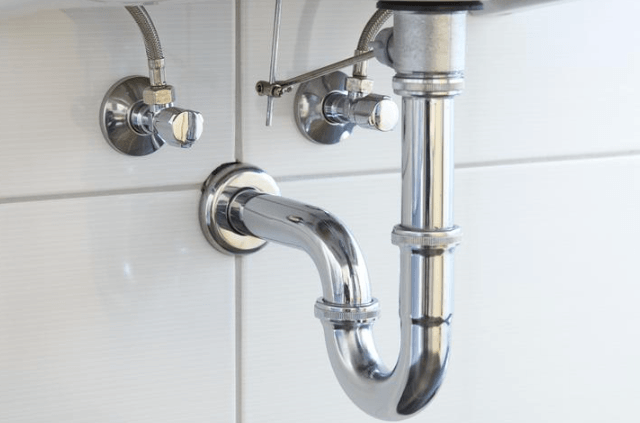
Drainage, venting, and traps form the sanitary backbone of a plumbing system, transporting waste away from fixtures while preventing sewer gases from entering living spaces.
The system relies on correct slope and trap placement to minimize drainage risks.
Venting functions relieve pressure, preventing siphonage and allowing smooth flow, while traps seal odors and maintain drainage integrity with code-compliant precision.
See also: Technology Transforming Customer Engagement
Everyday Fixtures, Maintenance, and Simple Fixes You Can Do
Everyday fixtures are the accessible entry point for routine care, maintenance, and quick fixes that keep a home’s plumbing functioning reliably.
Fixtures reveal wear: faucets, shutoffs, and supply lines require inspection for leaks, mineral buildup, and vibration.
Perform quick repairs, replace gaskets, and tighten connections when needed.
Address corrosion issues promptly to prevent structural damage and ensure safe, compliant operation throughout the system.
Conclusion
A home’s plumbing system functions as an integrated network: supply lines deliver clean water under controlled pressure, while drainage and venting routes safely remove waste. Fixtures, traps, and shutoffs insist on reliability and tight seals, reducing leaks and odors. Regular maintenance—checking leaks, cleaning traps, testing pressure—keeps systems code-compliant and efficient. Like a carefully composed circuit, each component synchronizes to deliver comfort and safety; thus, diligent care sustains dependable water flow and hygienic drainage, rhythmically supporting daily life. A steady cadence, lasting integrity.